
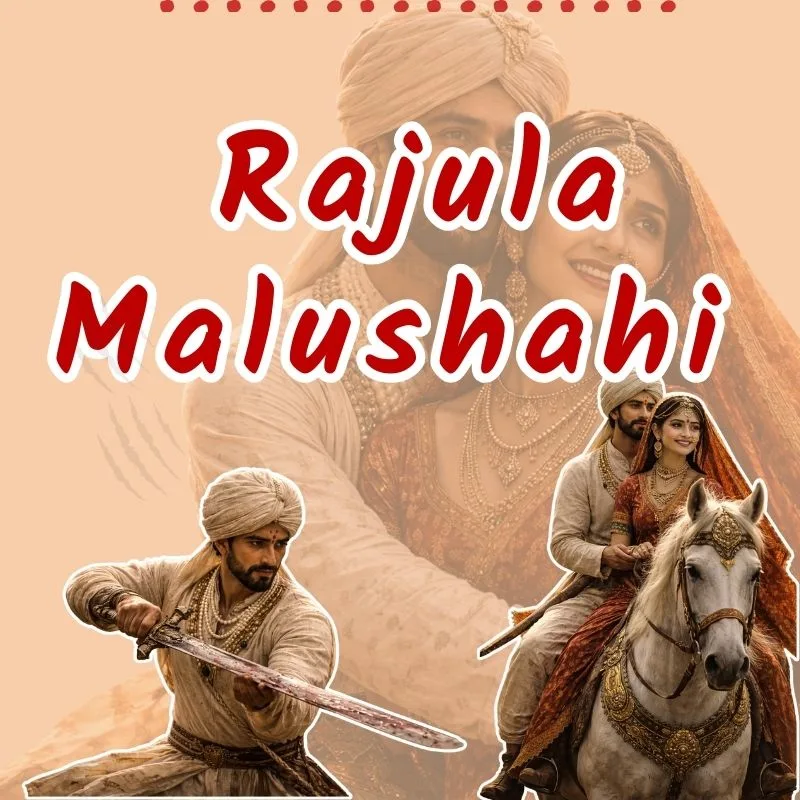
If any love story has remained alive for centuries in the folk memory of Uttarakhand and found a place in every heart, it is Rajula Malushahi. This is not just a story of two individuals in love, but a saga that reflects the social structure of Kumaon, religious faith, political order, and the courage of both men and women.
For a website like Aipankari, which works to preserve and present the traditional art and culture of Uttarakhand, the story of Rajula Malushahi is not merely literary content, but a primary source of cultural identity.
In this detailed blog, we will understand the immortal tale of Rajula Malushahi through history, folklore, geography, social structure, religious context, and cultural impact—covering all dimensions.
1. Katyuri Dynasty: The Golden Age of Kumaon
The first major royal dynasty of Kumaon was the Katyuri dynasty. According to historians, the Katyuris ruled approximately from the 7th to the 11th century.
Their capital was Bairath, which we now know as Chaukhutiya. This region was located in the Ramganga valley and was an important center of trade routes.
Features of Bairath:
- A trade route connecting Tibet and the plains
- A rich tradition of temple architecture
- An economy based on agriculture and animal husbandry
- A culturally developed town
Bairath was not only a political capital but also a center of religious and cultural energy.
2. King Dulashah and the Concern for an Heir
King Dulashah was considered a just and brave ruler. During his reign, the people were satisfied, trade flourished, and the kingdom was prosperous.
However, he had one sorrow—he had no children.
In ancient times, not having an heir was not just a family problem, but a political crisis.
- The kingdom could become unstable
- Court conspiracies could increase
- There was a risk of external invasion
This concern led him toward deeper religious faith.
3. Bagnath Temple: Where the Story of Rajula Malushahi Began
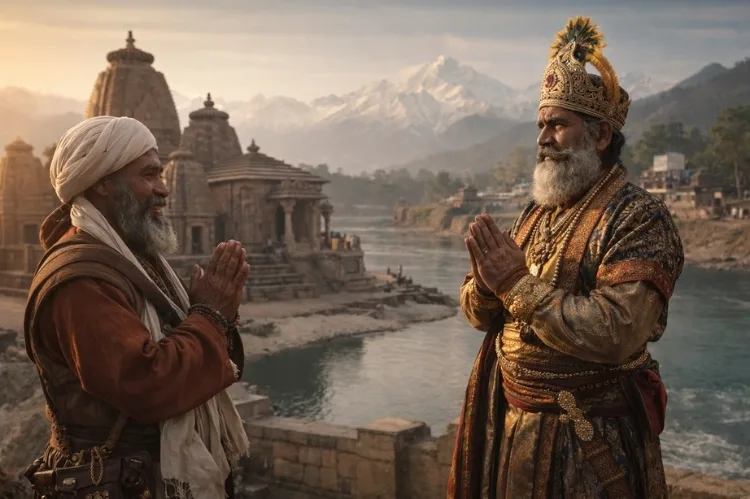
King Dulashah reached Bagnath Temple.
This temple is located at the confluence of the Saryu and Gomti rivers and is dedicated to Lord Shiva. It is considered a very sacred site in Uttarakhand.
There he met Sunpat Shauka, a trader from Bhot (the Tibetan region).
Features of the Shauka community:
- High Himalayan traders
- Trade in wool and medicinal herbs
- Culturally rich
Both families took a vow in the presence of God:
If one had a son and the other a daughter, they would arrange their marriage.
From here, the foundation of Rajula Malushahi was laid.
4. Birth of Malushahi and Rajula: The Astrological Prediction
After some time:
- Malushahi was born in Bairath
- Rajula was born in Bhot
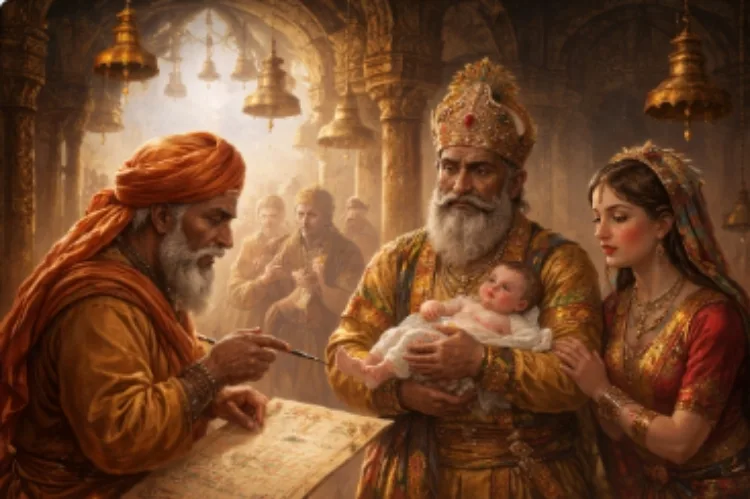
Astrologers predicted:
- The boy would be bright and have a colorful personality
- But he would face a short-life danger
Remedy: On the fifth day, he should symbolically marry a “Naurangi” girl.
The royal priest performed the ritual marriage of newborn Rajula with Malushahi.
Thus, the bond of Rajula Malushahi was decided by destiny from birth.
5. Conspiracy and Suppression of Truth
After King Dulashah’s death, politics began in the court.
Opportunistic courtiers spread rumors:
“That girl is inauspicious.”
They decided to hide the truth from Malushahi.
This shows that Rajula Malushahi is not only a love story but also a tale of political conspiracy.
6. Rajula’s Philosophical Question: A Symbol of Folk Wisdom
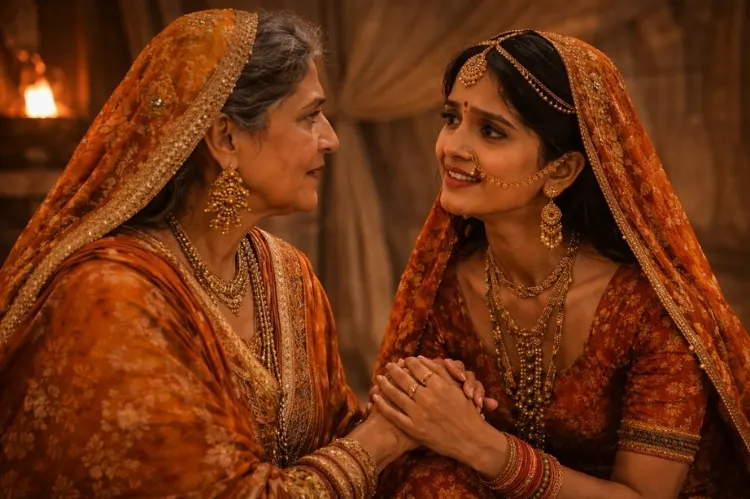
One day Rajula innocently asked her mother:
“Mother, which direction is the most beautiful?
Which tree is the greatest, and which is the greatest Ganga?
Who is the greatest among gods?
Who is the king of kings and which is the greatest land?”
Her mother replied:
“The East is the most beautiful direction, as it lights up the earth.
The Peepal tree is the greatest, as gods reside in it.
Among rivers, Bhagirathi is the greatest, washing away sins.
Among gods, Mahadev is supreme.
Among kings, the colorful Malushahi is the king of kings, and among lands, colorful Bairath is the greatest.”
Hearing this, Rajula smiled and requested, “Mother, please marry me in colorful Bairath.”
7. The Threat of Huna King Rikkhipal and the Dream Sign
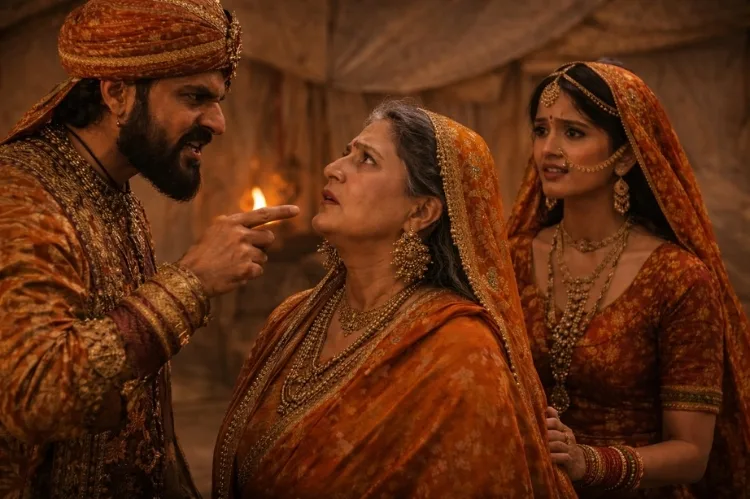
One day, Rikkhipal, the king of the Huna land, arrived at Sunpat Shauka’s house and expressed his desire to marry Rajula. He clearly threatened that if she was not married to him, he would destroy the Shauka land.
This terrifying situation worried the entire family, as on one side was the sacred vow taken before Bagnath Temple, and on the other was the anger of the powerful Huna king.
Around the same time, one night, something extraordinary happened—Malushahi saw Rajula in a dream. Mesmerized by her beauty and radiance, he promised in the dream to marry her. That very night, Rajula saw the same dream.
It felt as if destiny itself was calling them.
As the situation became more complicated, Rajula bravely asked her mother for the route to Bairath. Her mother reminded her that she was destined for the Huna land, not Bairath. But Rajula had already made her decision—she was bound not by fear, but by love and promise. This became the turning point of Rajula Malushahi.
8. Rajula’s Courageous Journey to Bairath
That same night, carrying a diamond ring, Rajula quietly left for Bairath. Crossing tall mountains, snowy passes, and dark valleys, she traveled from Munsiyari to Bageshwar. According to folklore, the Kafu bird guided her path, and nature itself became a witness to her love.
This journey was not only an attempt to reach her beloved but also a bold rebellion against fear and social restrictions.
9. Malushahi’s Determination and Twelve-Year Sleep
Meanwhile in Bairath, Malushahi expressed his wish to bring Rajula from Shauka land. His mother stopped him, citing royal duty and state security. Malushahi gave up food and stopped speaking to the queens.
Finally, he was made to inhale a twelve-year sleep herb, which put him into deep sleep.
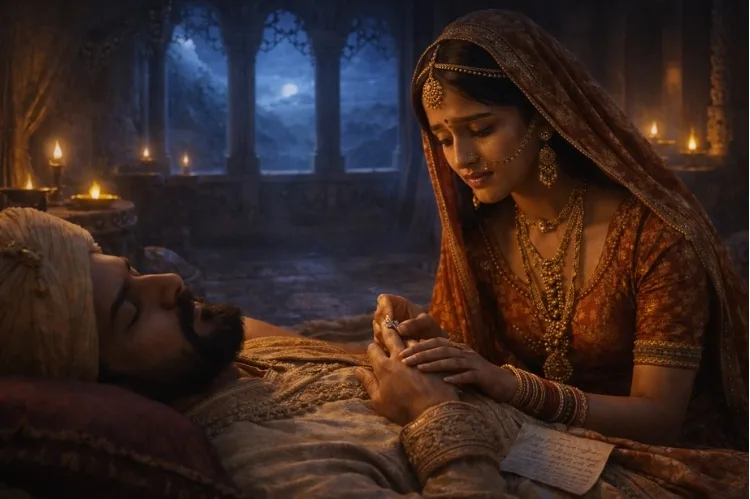
When Rajula reached Bairath, she tried her best to wake him, but he remained unconscious. Heartbroken, she placed her diamond ring on his finger and left a letter by his pillow before returning home in tears.
10. The Letter, Awakening, and Shelter of Guru Gorakhnath
When the effect of the herb ended, Malushahi awoke and found the ring and the letter. In it, Rajula wrote that if he had courage, he must come to take her, as she was being married to Rikkhipal.
Disturbed, Malushahi went to Guru Gorakhnath.
He renounced his crown and royal clothes, covered himself in sacred ash, and became a yogi. Though the Guru advised him to rule and even offered to arrange another bride named Rajula, Malushahi refused. He wanted only his Rajula.
The Guru initiated him and taught him Boksaadi knowledge and tantra-mantra so that poison and enemies would not harm him.
After initiation, Malushahi took alms from his mother as a test. Queen Dharma recognized him through the Panchgras ritual but still allowed him to go with soldiers. No longer a king, he left as a yogi in the fire of love.
11. Poison and Recognition in Huna Land
Disguised as a yogi, Malushahi reached Huna land. Poisoned water ponds caused his companions to faint, but folklore says the goddess Vishla saved him.
At the palace, he called out, “Alakh Niranjan!” Rajula came with alms in a golden plate. When the yogi told her that her destiny belonged to colorful Bairath’s Malushahi, she broke into tears.
He threw off his disguise and revealed himself.
12. Dream Message and Revival
That night, Queen Dharma saw a frightening dream—Malushahi appeared and said he had died in Huna land. She immediately sent her brother, Mama Mrityu Singh, along with Siddha saints and followers of Guru Gorakhnath.
Using Boksaadi knowledge, they revived Malushahi. He then awakened Rajula as well.
13. Final Battle and the End of Rikkhipal
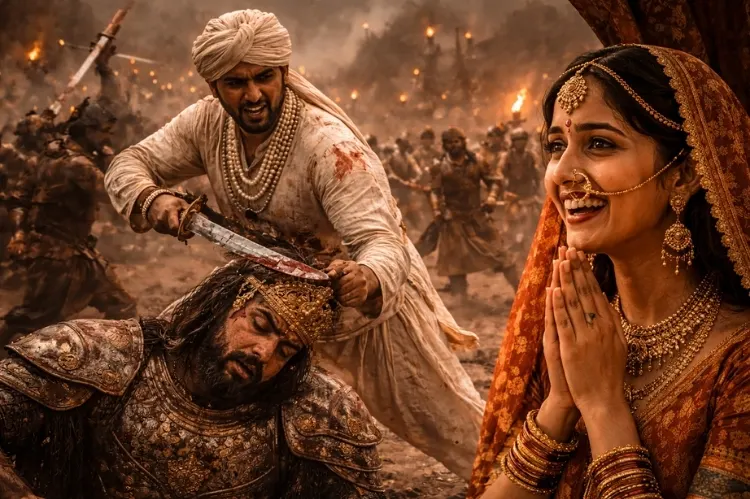
After his revival, war broke out. Fierce fighting followed, and Rikkhipal was killed on the battlefield. Fear and injustice ended.
Malushahi sent a message to Bairath to prepare for Queen Rajula’s welcome.
14. Victorious Return and Marriage
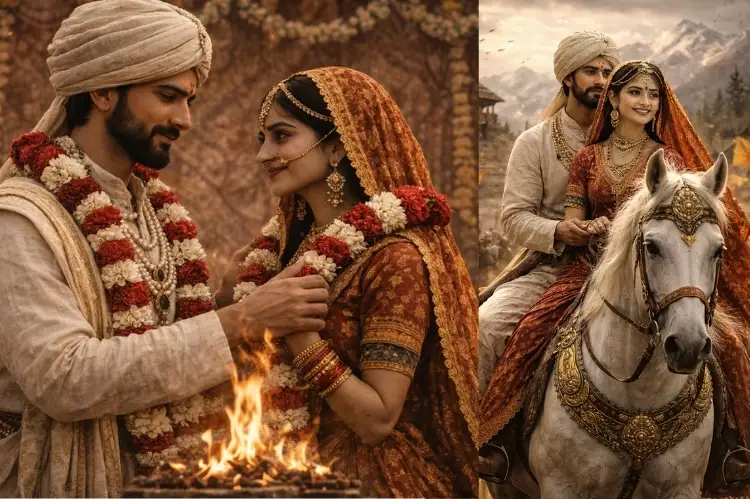
When Malushahi returned to Bairath with Rajula, the town was decorated with lamps and songs. Their marriage was celebrated grandly.
Rajula smiled and said,
“I had already said I am Naurangi, and I will marry only the one with ten colors. Malu, you are my companion for lifetimes.”
They ruled together and served their people.
15. Symbol of an Eternal Love Saga
Thus, Rajula Malushahi became the most popular immortal love story of Uttarakhand—a king who left his throne for a Shauka girl, wandered in disguise as a yogi, faced poison and death, and proved that love is supreme.
Even today, in the folk songs and ballads of Kumaon and Garhwal, this story echoes as a symbol of love, courage, and unwavering devotion.